


CLS Blog
Lighting Design Trends Shaping 2026
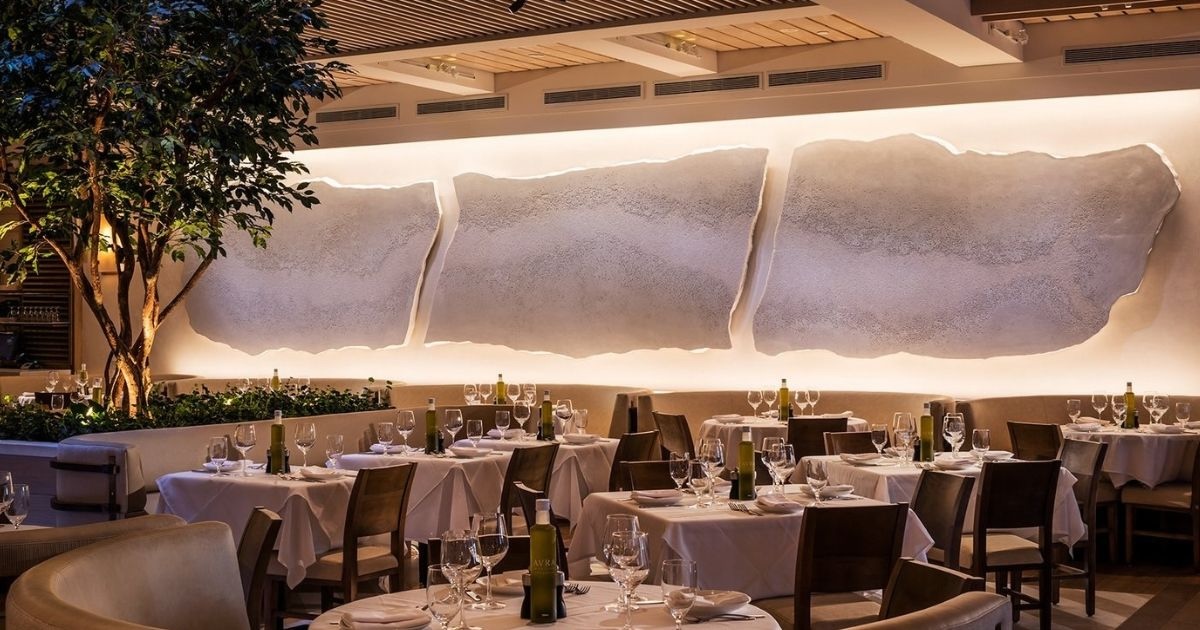
As architectural design continues to evolve, lighting is becoming an increasingly important part of the conversation. Beyond aesthetics, there is a growing focus on how lighting can influence the way people experience a space, complement architectural features, and support more sustainable design practices.
For specifiers, these shifts present new opportunities to balance visual impact and functionality when selecting lighting for a project. From statement-making decorative fixtures and wellness-focused systems to sustainable materials and integrated architectural solutions, these four trends are shaping lighting design in 2026.
Decorative Fixtures Become Statement Pieces
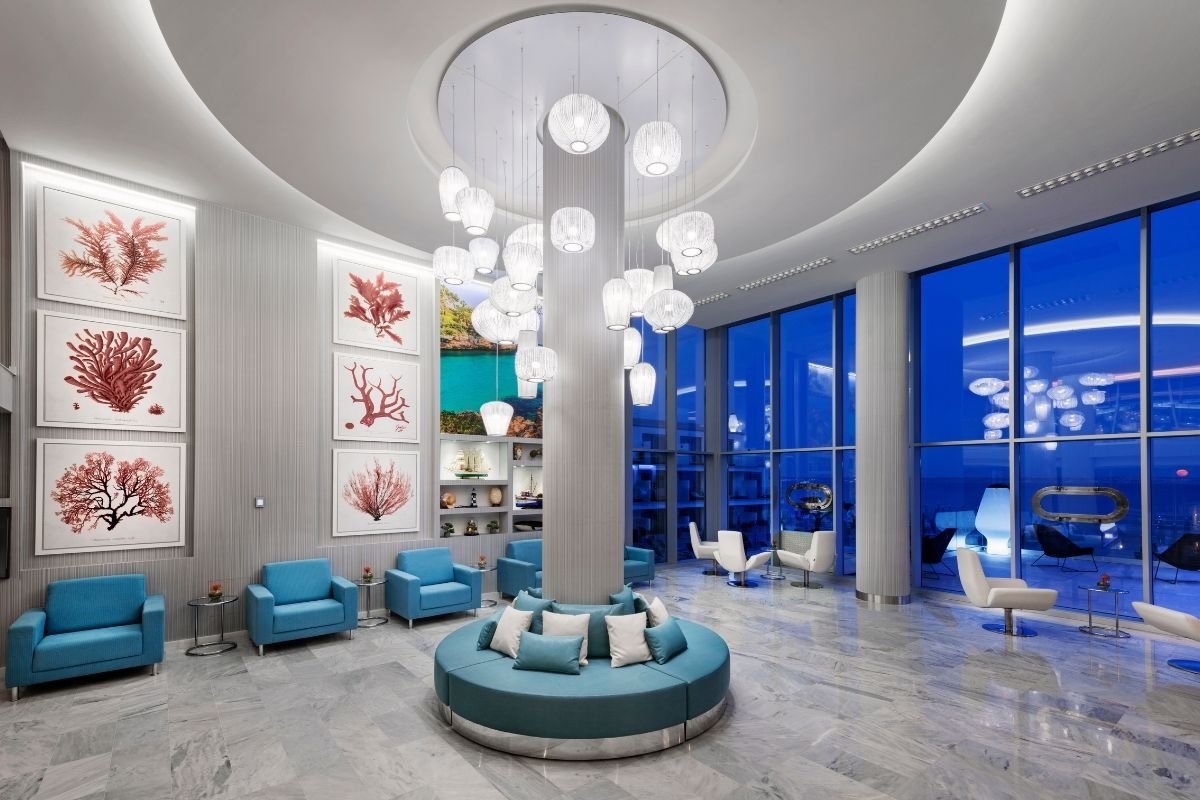
Decorative lighting is taking on a larger role in defining a space’s visual identity. Rather than serving solely as a source of illumination, decorative fixtures can function as architectural elements, focal points, and expressions of a project’s design intent.
This shift is particularly evident in hospitality, residential, workplace, and retail environments, where lighting can establish personality and reinforce the overall aesthetic. Organic forms, layered materials, and expressive finishes can turn a fixture into a memorable design feature that complements its surroundings.
For designers, this makes decorative fixtures an important consideration early in the design process. Selected alongside materials, furnishings, and architectural elements, they can contribute to a more cohesive and intentional interior.
Featured Solution: Coral Collection by a-emotional light
The Coral Collection proves that lighting can be far more than mere illumination. Inspired by coral reefs, its organic forms and painted stainless steel mesh bring tactile character and depth to interiors. Designers can select from a range of shapes and sizes to feature a single eye-catching pendant or layer multiple pieces into a larger composition. This versatility creates opportunities for dramatic installations that draw the eye, define gathering areas, and make the lighting an integral part of the overall design.
Lighting That Supports Human Wellness
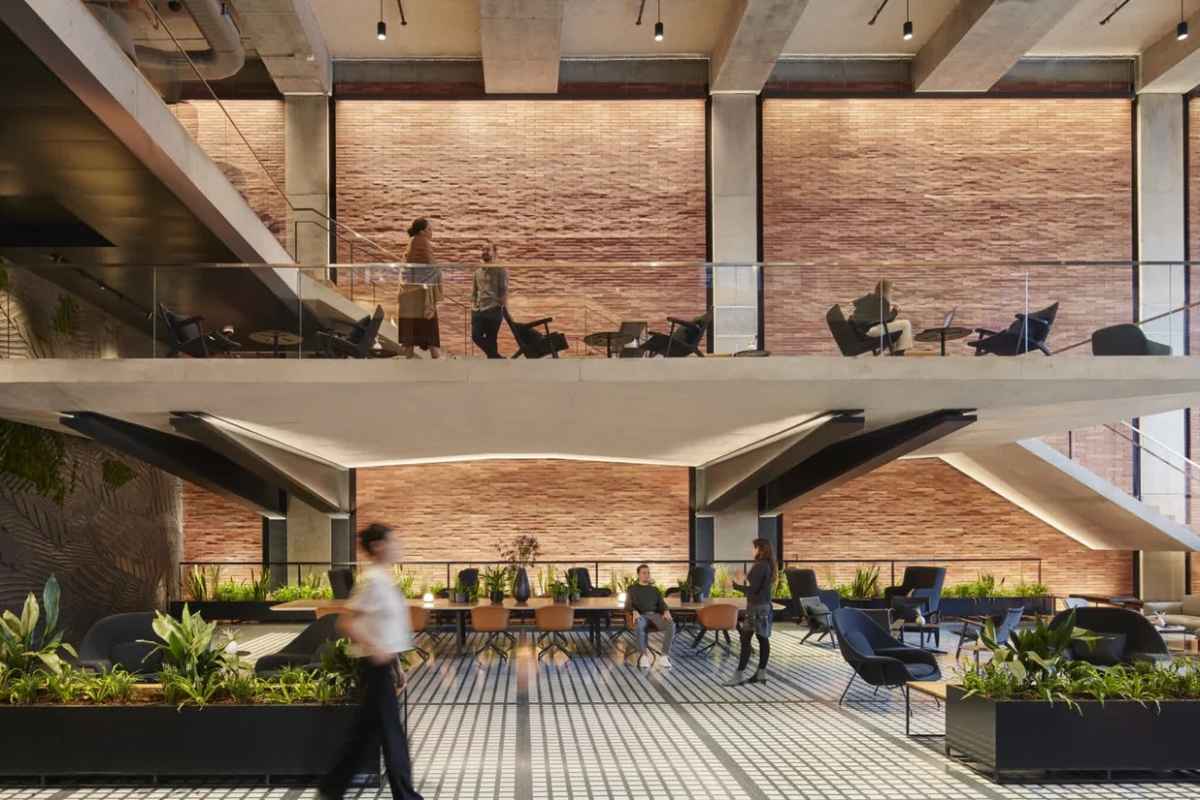
The growing emphasis on human wellness is influencing how lighting is approached across workplaces, healthcare environments, hospitality spaces, and other occupied settings. Designers are looking for ways to create comfortable, supportive environments that adapt throughout the day, providing the right conditions for focus and productivity, as well as for relaxation and rest.
One area of growing interest is the connection between lighting and the body’s circadian rhythm, the natural 24-hour cycle that influences sleep, alertness, and daily activity. Changes in light throughout the day can help support these natural patterns, making color temperature and intensity important considerations in wellness-focused spaces.
Tunable white lighting, dynamic capabilities, and advanced controls give specifiers greater flexibility to tailor the lighting environment. Brighter, cooler light can support productivity, while warmer, softer light can create a more comfortable atmosphere for relaxation.
Featured Solution: Runway™ by i2Systems
The Runway™ linear LED system is a great example of how architectural lighting and wellness-focused capabilities can work together. Its precise wall grazing, washing, and accent capabilities deliver uniform illumination exactly where it is needed, helping designers highlight architectural features without creating harsh or distracting light. Paired with Static White, WarmDim, and Tunable White options, along with circadian lighting control capabilities, Runway gives designers the flexibility to create lighting environments that complement the natural rhythm of the day.
Sustainable Materials and Production
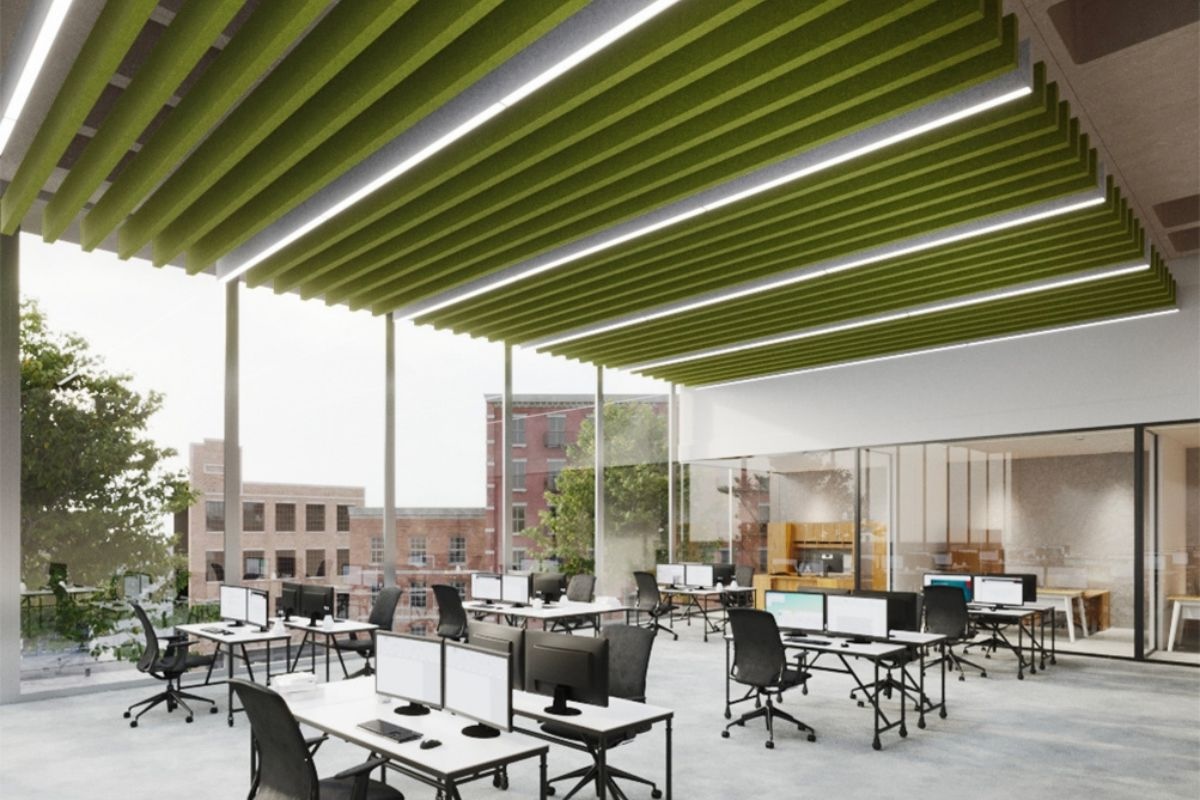
Sustainability is becoming an increasingly important consideration in lighting, extending beyond energy efficiency to encompass a product’s broader environmental impact. Architects and lighting designers are looking more holistically at how lighting solutions are sourced, produced, and built to perform over time.
Manufacturers are responding in a variety of ways, including incorporating recycled and recyclable materials, reducing production waste, improving manufacturing efficiency, and rethinking packaging and transportation. Durable construction and serviceable components can also extend product life, helping reduce the need for frequent replacement.
When selecting sustainable lighting products, specifiers should consider which certifications and environmental documentation align with the project’s goals. EPDs, HPDs, Declare labels, and LEED-related documentation can provide additional insight into a product’s materials, environmental impact, and contribution to broader sustainability objectives.
Featured Solution: RAIL Acoustic by Metalumen
The RAIL Acoustic family by Metalumen combines architectural illumination, acoustic performance, and material-conscious design in a multifunctional solution. Its zero-waste manufacturing process, along with EzoBord’s use of at least 50% recycled content from plastic bottles, supports a more resource-conscious approach to production. Beyond its sustainability benefits, RAIL Acoustic also delivers sound absorption, integrated controls, and direct or direct/indirect illumination. With a broad selection of colors, wood finishes, and patterns, the system gives designers opportunities to tailor both its performance and visual character to the needs of a project.
Concealed Architectural Lighting
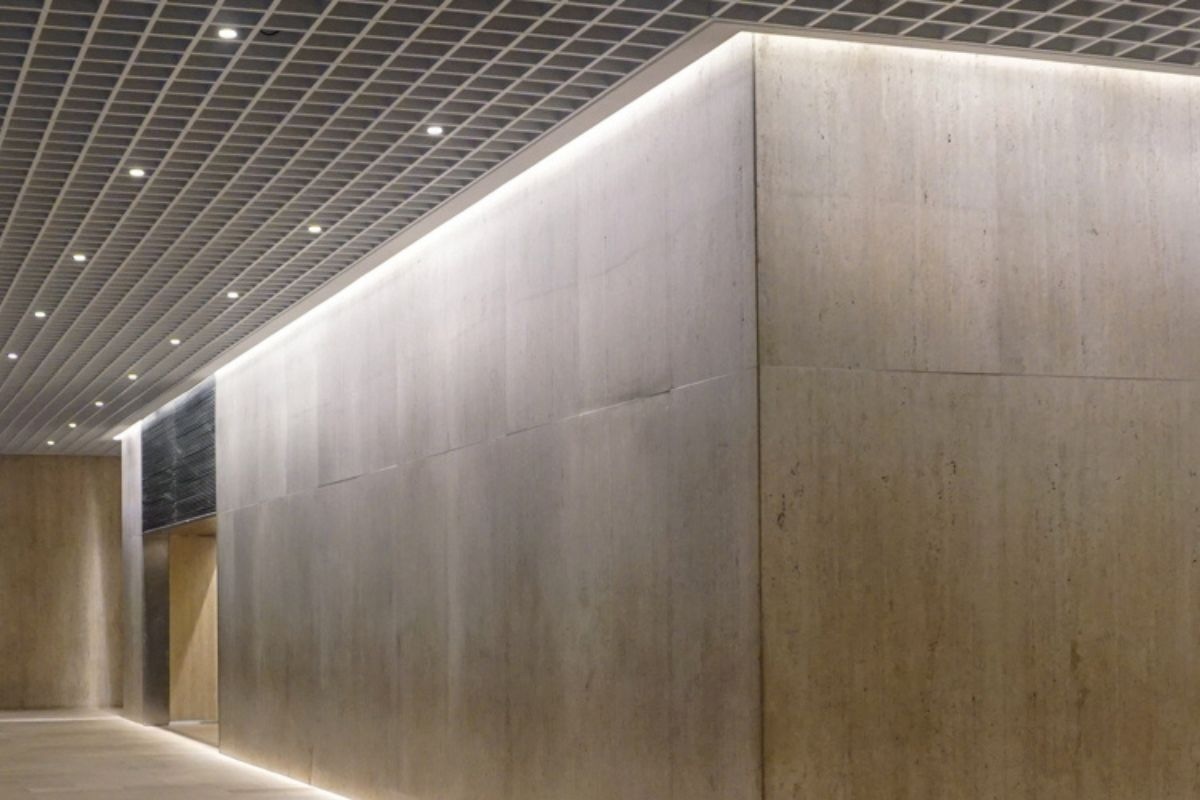
As projects continue to embrace clean lines and refined details, lighting is becoming more seamlessly integrated into the architecture. Concealed architectural fixtures allow designers to incorporate the light source into ceilings, walls, coves, and other architectural elements while keeping the fixture itself visually discreet.
The result shifts attention away from the fixture itself and toward what the illumination reveals. Artwork, textured surfaces, material finishes, and architectural details can be emphasized to create depth, establish visual hierarchy, and draw attention to key elements within a space.
For specifiers, choosing an integrated solution begins with understanding the surface, viewing angle, desired effect, and available installation space. Wall grazing can bring out texture and dimensional detail, while wall washing provides broader, more consistent illumination across a surface.
Featured Solution: Series VWG by Starfire Lighting
The Series VWG is an ultra-narrow linear wall grazer designed to provide precise, uniform illumination. Its compact profile allows it to fit into small-aperture pockets, while its optical design helps minimize hot spots and uneven illumination. Available with plaster, flanged, or flangeless trim and a range of lumen outputs, it offers a flexible solution for highlighting wall textures and architectural details while keeping the light source discreet.
Looking Ahead
As lighting continues to evolve, these trends highlight a broader shift toward solutions that are intentional, adaptable, and integrated into the overall design. For specifiers, staying ahead means considering not only how a fixture looks, but how it supports the experience, performance, and long-term goals of a space.
Visit our line card to discover products designed to meet the evolving needs of today’s projects.


