


CLS Blog
Celebrating Energy Awareness Month: Looking Beyond LEDs
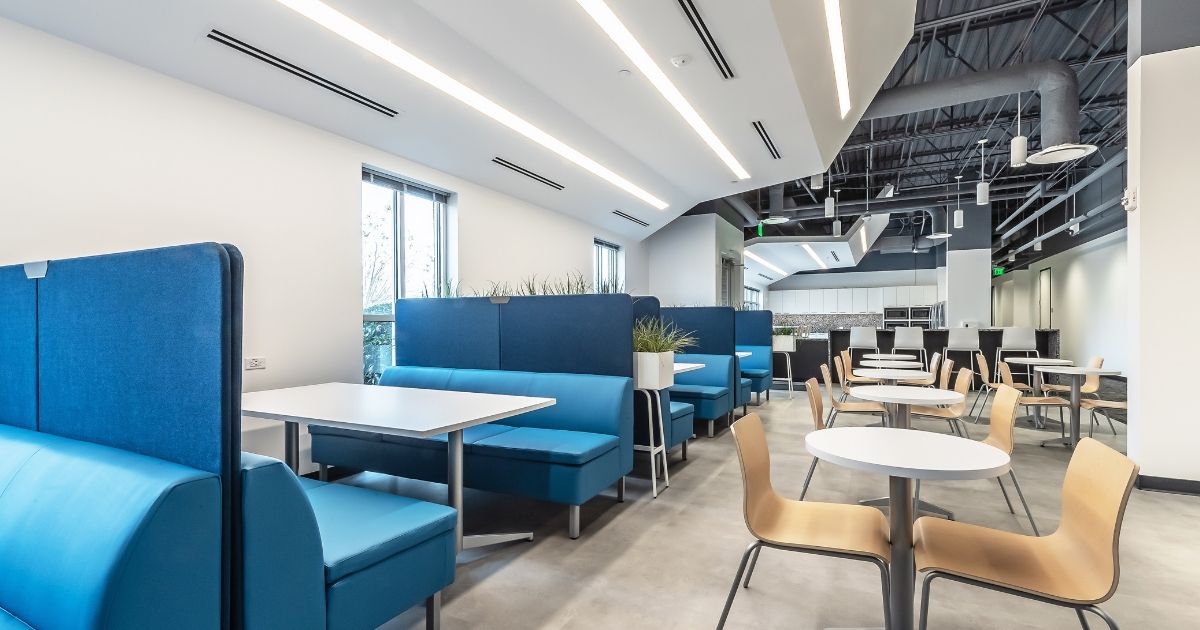
October is Energy Awareness Month, a reminder of the important role lighting plays in sustainable design. While LEDs have transformed the lighting industry, the fixtures themselves are only one part of the equation. For specifiers, thoughtful lighting design can make a meaningful difference in energy consumption and overall project performance. From minimizing wasted light to incorporating smart controls and selecting the right light levels for each application, small decisions can have a lasting impact on energy efficiency and sustainability.
Read on to explore four design strategies that can help you make more energy-conscious lighting decisions.
Specify the Right Amount of Light
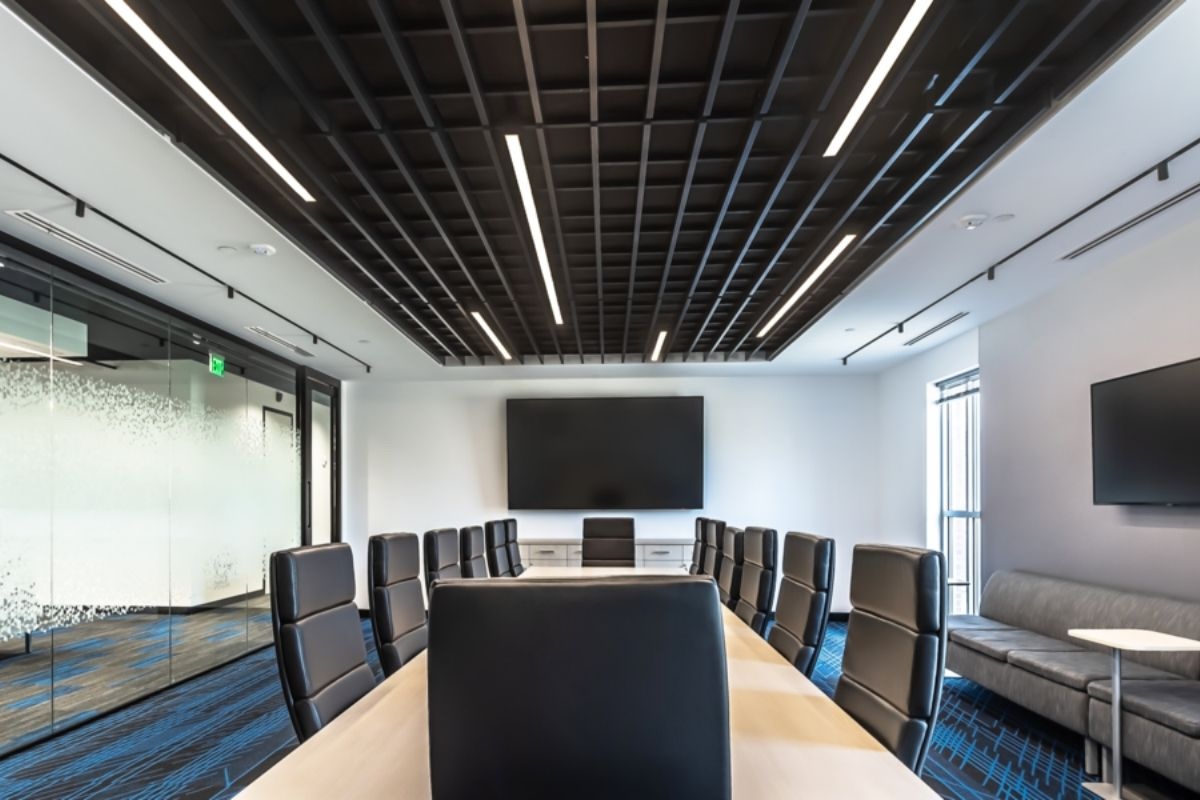
Energy-efficient lighting starts with specifying the appropriate light level for the application. Over-lighting can increase energy consumption without improving visibility, safety, or the overall experience of a space.
What to look for:
- Match light to the task. Start with the recommended light levels for what people will actually be doing in the space, then factor in the room’s size.
- Compare fixture efficiency. Two fixtures can produce the same amount of light while one uses noticeably less energy. Compare lumens per watt to spot the difference.
- Build in flexibility. Fixtures with adjustable lumen outputs let you fine-tune light levels on site, so the space doesn’t end up brighter than it needs to be.
Featured Solution: The LE 3R Recessed by American Linear Lighting
With three field-selectable lumen outputs, specifiers can match light levels to the space’s needs, while high efficiency and dim-to-off capability help reduce energy use. Field-selectable color temperature and the ability to create continuous linear runs offer added flexibility for a range of applications.
Direct Light Where It Is Needed
Getting the right amount of light is only part of the equation. Where that light lands matters just as much. When light falls on surfaces that don’t need it, energy goes to waste, and the space may still feel underlit where it counts.
What to look for:
- Optics and beam spread. Choose a beam that fits what you’re lighting: narrow for a single feature, wider for a work surface or wall.
- Fixture placement. Position fixtures so that the light lands on the intended surfaces, without overlap or spill. Aiming the light in the right direction also improves comfort, especially in offices, classrooms, and other spaces where people spend long hours.
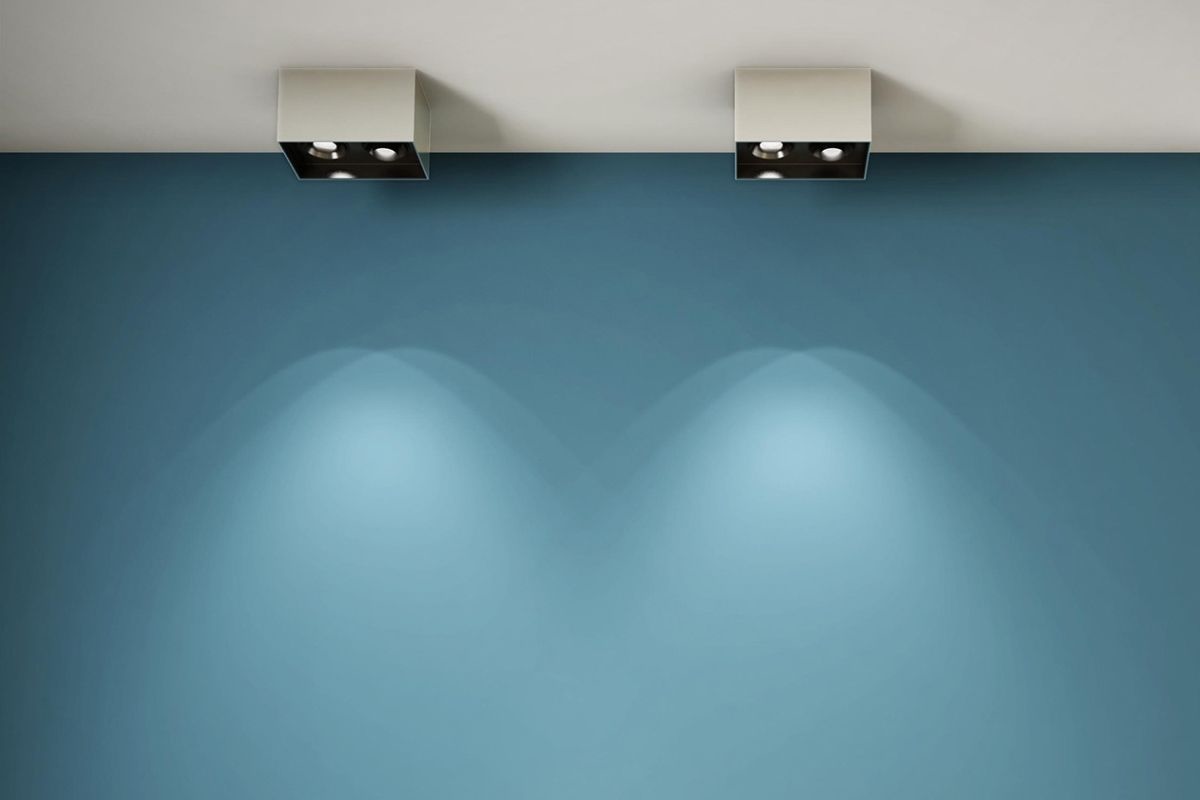
Featured Solution: Pola Box Duo by Arancia Lighting
Two independently adjustable heads and four optic options give designers precise control over where light is directed, helping reduce spill and glare. Interchangeable accessories and more than a dozen finishes make it easy to suit a variety of design styles.
Light Only When It Is Needed
Even the most efficient fixture wastes energy if it’s illuminating an empty room or running at full output while daylight streams in. Lighting controls adjust operation based on occupancy, time of day, and available daylight, so lights run only when they’re useful.
What to look for:
- The right mix of controls:
- Occupancy sensors turn lights on and off based on activity.
- Scheduling matches lighting to building hours.
- Daylight harvesting dims electric light when natural light is available.
- Dimming lowers output when full brightness isn’t needed.
- Smart zoning. Split spaces into zones based on how they’re used, so one occupied corner doesn’t light up an entire floor.
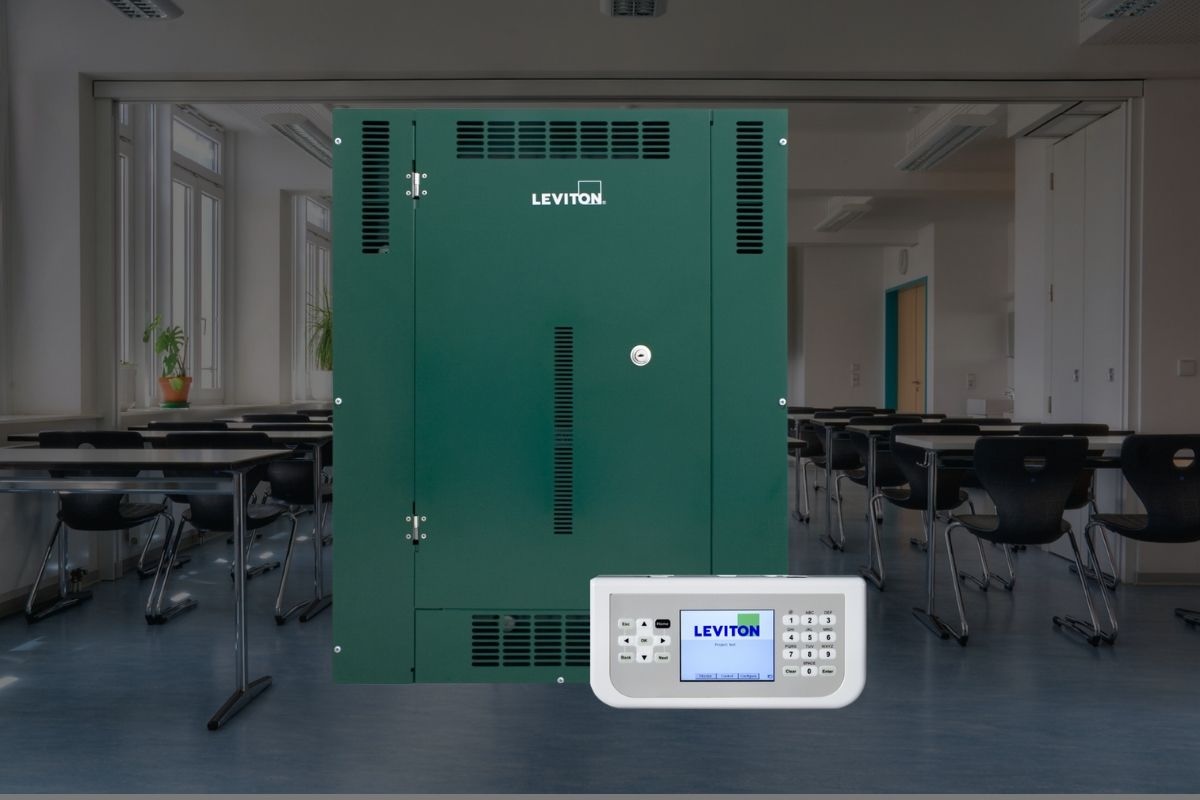
Featured Solution: GreenMAX™ Relay Panel Systems by Leviton
By combining scheduling, occupancy sensing, daylight harvesting, and dimming in a single system, GreenMAX™ helps ensure that lighting operates only when and where it’s needed. Its scalable design also integrates with existing building management systems and supports compliance with energy code requirements.
Taking Energy Efficiency Outdoors
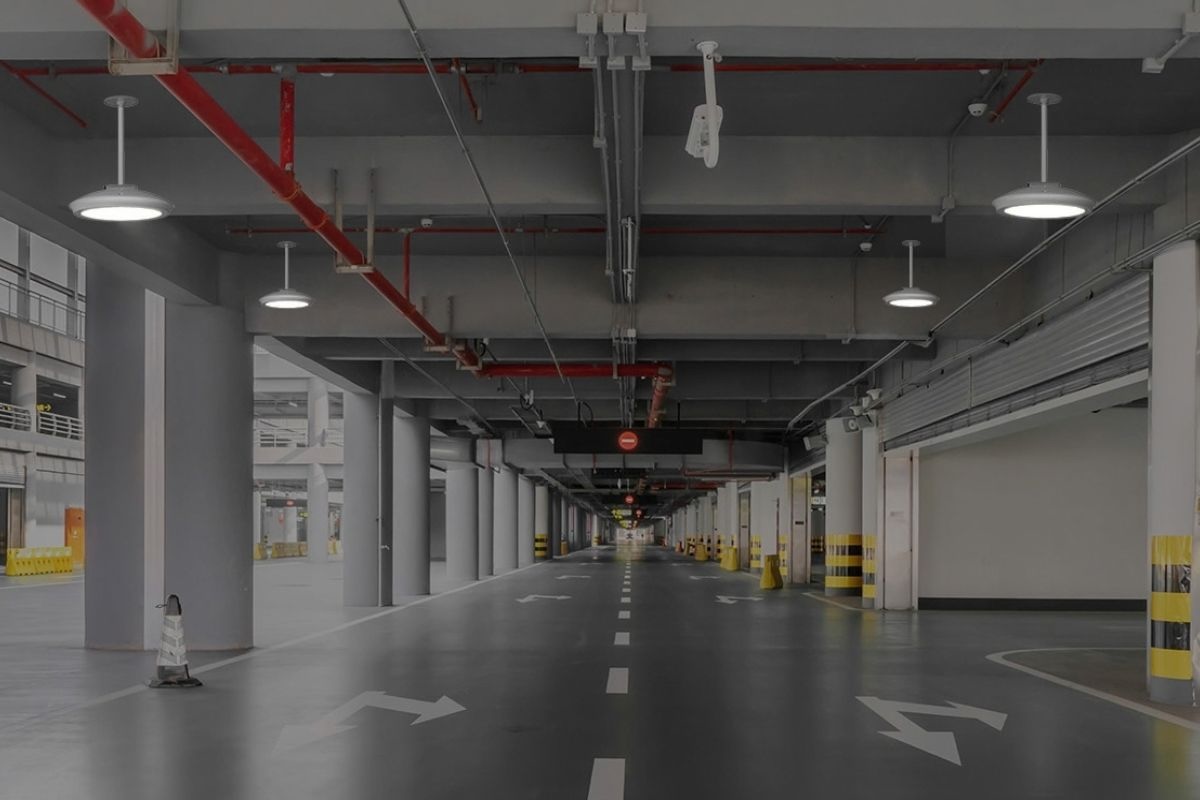
Parking lots, pathways, and building exteriors need light after dark for safety and visibility, but they rarely need full brightness all night. Careful aiming and the right controls can reduce energy waste outdoors while keeping sites safe and easy to navigate.
What to look for:
- Focused distribution. Aim light at the areas that need it, like walkways, entrances, and parking spaces, rather than lighting the whole site evenly.
- Responsive controls. Photocells turn lights on at dusk and off at dawn, motion sensors brighten lights when someone is present, and scheduled dimming cuts output during predictable quiet hours.
- Durable fixtures. Consider the full product life cycle. Fixtures built to handle weather, temperature swings, and wear last longer and require fewer replacements, reducing waste.
Featured Solution: Excursion EXN Luminaire by LSI Industries
Built-in motion and photocell sensors allow the fixture to respond to activity and daylight, reducing energy use during quiet hours. Its rugged, weather-resistant design supports a long product life, and low-glare, even illumination makes it a strong fit for parking garages, stairwells, and canopies.
Small Choices, Lasting Impact
LEDs changed the industry, but real energy savings come from thoughtful lighting design. The four solutions featured here are just the beginning. Visit our line card to explore fixtures and controls for every application.


